What Is Fencing?
Fencing is a fast and strategic sport that grew out of European sword fighting. Over time, it developed from a method of combat training into a modern Olympic event with clear rules and safety equipment. In a match, two athletes compete on a narrow strip and try to score points by touching their opponent with a fencing weapon. Because actions happen so quickly, fencers must react with speed and stay mentally focused. Success in fencing depends on balance, timing, and smart decision making. While it may look simple to someone watching for the first time, the sport requires practice, discipline, and careful planning.
Types of Fencing Weapons
There are three weapons used in competitive fencing: foil, épée, and sabre. Each weapon has its own rules, target areas, and style of movement. In foil, points may only be scored on the torso, and a rule called right-of-way decides who earns the point when both fencers attack at the same time. Épée allows touches to the entire body and does not use right-of-way, which often leads to a more cautious style of play. Sabre is usually the fastest weapon, and fencers can score with either the edge or the tip of the blade above the waist. Because of these differences, many beginners try all three weapons before choosing the one that fits their strengths.
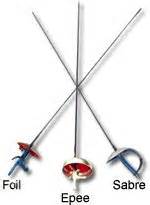
| Weapon | Target Area | Special Rule |
|---|---|---|
| Foil | Torso Only | Uses Right-of-Way Rules |
| Épée | Entire Body | No Right-of-Way |
| Sabre | Upper Body | Points Scored with Edge or Tip |